


The Revolutionary Impact of Advanced Composites on Modern Engineering
Within the realm of high-performance materials, carbon fibre fabrics have emerged as a disruptive innovation, continually reshaping the landscape of the aerospace and automotive industries. This extraordinary material combines exceptional strength with extreme lightweight properties, making it an indispensable resource for manufacturers pursuing ultimate performance and reliability. By virtue of its unique properties, carbon fibre fabric has secured an unassailable position in demanding applications ranging from commercial aircraft to Formula One racing.
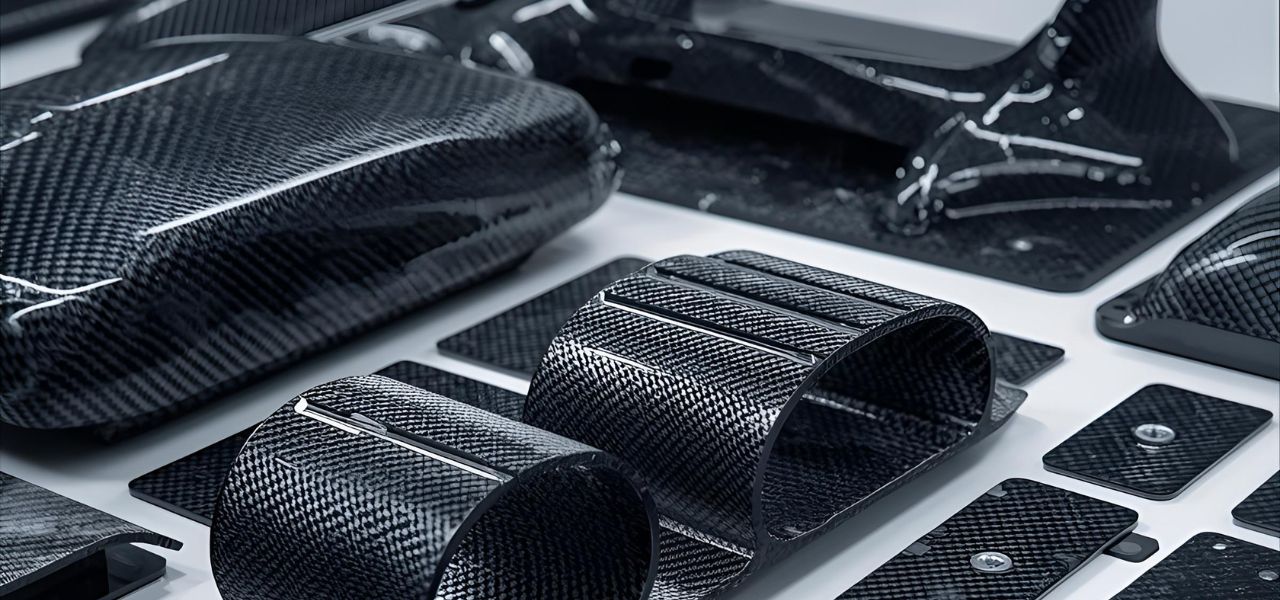
The aerospace and automotive sectors regard carbon fibre fabric as their material of choice due to its superior strength-to-weight ratio, far surpassing traditional materials such as steel and aluminium. This advanced composite has become synonymous with innovation, enabling engineers to push design boundaries while maintaining the highest safety standards.
Achieving Engineering Excellence Through Advanced Materials Science
Unprecedented Strength and Durability
The molecular structure of carbon fibre fabric endows this material with extraordinary tensile strength coupled with ultra-lightweight properties. Compared to steel, carbon fibre fabric boasts five times the strength yet weighs merely a quarter as much. This exceptional combination of properties makes it the ideal choice for critical components in aerospace and high-performance vehicles.
Engineers have discovered that the durability of carbon fibre fabric extends far beyond its strength. The material exhibits outstanding fatigue resistance, capable of withstanding repeated stress cycles without degradation. This characteristic is particularly valuable in aerospace applications, where components must maintain integrity through thousands of pressurisation cycles and under fluctuating atmospheric conditions
Lightweighting and Fuel Efficiency
The lightweight properties of carbon fibre fabrics have revolutionised vehicle design across two major industries. In aviation, reducing aircraft weight directly translates to enhanced fuel efficiency and increased payload capacity. Commercial airlines report significant fuel savings following the adoption of carbon fibre fabric components within their fleets. Modern aircraft such as the Boeing 787 Dreamliner incorporate this material in up to 50% of their structural components.
Within the automotive sector, the weight reduction afforded by carbon fibre enables manufacturers to develop higher-performance vehicles while meeting increasingly stringent fuel efficiency standards. Sports car manufacturers have been particularly proactive in adopting this technology, extensively utilising carbon fibre throughout components ranging from body panels to chassis elements.
Manufacturing Innovation and Process Development
Advanced Production Technologies
Over recent decades, significant breakthroughs have been achieved in the manufacturing processes for carbon fibre fabrics. Modern production methods combine automated precision engineering with meticulously controlled environmental conditions to ensure consistent product quality. The latest automated fibre placement technologies enable manufacturers to create complex shapes and structures unattainable with traditional materials.
Quality control in carbon fibre fabric production has reached unprecedented levels of precision. Manufacturers employ advanced testing methods such as ultrasonic inspection and computed tomography to validate component structural integrity. This rigorous attention to detail ensures every product meets the stringent standards demanded by aerospace and automotive applications.
Cost-effective solutions and mass production
Although carbon fibre fabric manufacturing has traditionally been costly, technological advances have spawned more cost-effective production methods. Automated processes and improved raw material synthesis techniques have effectively reduced costs while maintaining quality, enabling the material’s widespread adoption across broader industrial sectors.
The automotive sector has particularly benefited from these developments, with mass-market manufacturers now incorporating carbon fibre fabric components into vehicle construction. This trend is expected to accelerate as production costs continue to decline and environmental regulations drive demand for lighter, more efficient vehicles.
Environmental Impact and Sustainability Considerations
Life Cycle Analysis and Benefits
The environmental impact of carbon fibre fabrics extends beyond their direct applications. Although the manufacturing process requires substantial energy input, the material’s lightweight properties enable significant fuel savings throughout the entire life cycle of vehicles or aircraft. Research indicates that reduced fuel consumption can offset the initial production carbon footprint several times over.
Furthermore, carbon fibre fabric components typically exhibit a longer service life than their metallic counterparts, thereby reducing replacement requirements and minimising waste. The aerospace industry reports substantially diminished maintenance demands for aircraft incorporating carbon fibre fabric structures, further amplifying their environmental benefits.
Recycling and Future Development
Significant progress has been made in carbon fibre fabric recycling technology, with emerging techniques driving the recovery and reuse of materials. This breakthrough addresses the few remaining environmental concerns associated with carbon fibre fabric applications, paving the way for more sustainable development of this material in the future.
Innovations in more environmentally friendly production processes and recycling technologies continue to advance. These efforts are crucial as both industries strive to meet increasingly stringent environmental regulations while maintaining the performance advantages inherent to carbon fibre fabrics.