


What is industrial-grade carbon fibre?
Industrial-grade carbon fibre is a concept relative to ‘aerospace-grade’, referring to cost-effective carbon fibre products primarily used in civil and industrial applications. Its core characteristic lies in employing large-tow specifications (such as 24K and above), significantly reducing costs through mass production. While its mechanical properties are slightly inferior to top-tier aerospace-grade small-tow carbon fibre, it perfectly meets the stringent requirements for lightweight, high-strength materials in the vast majority of industrial scenarios.
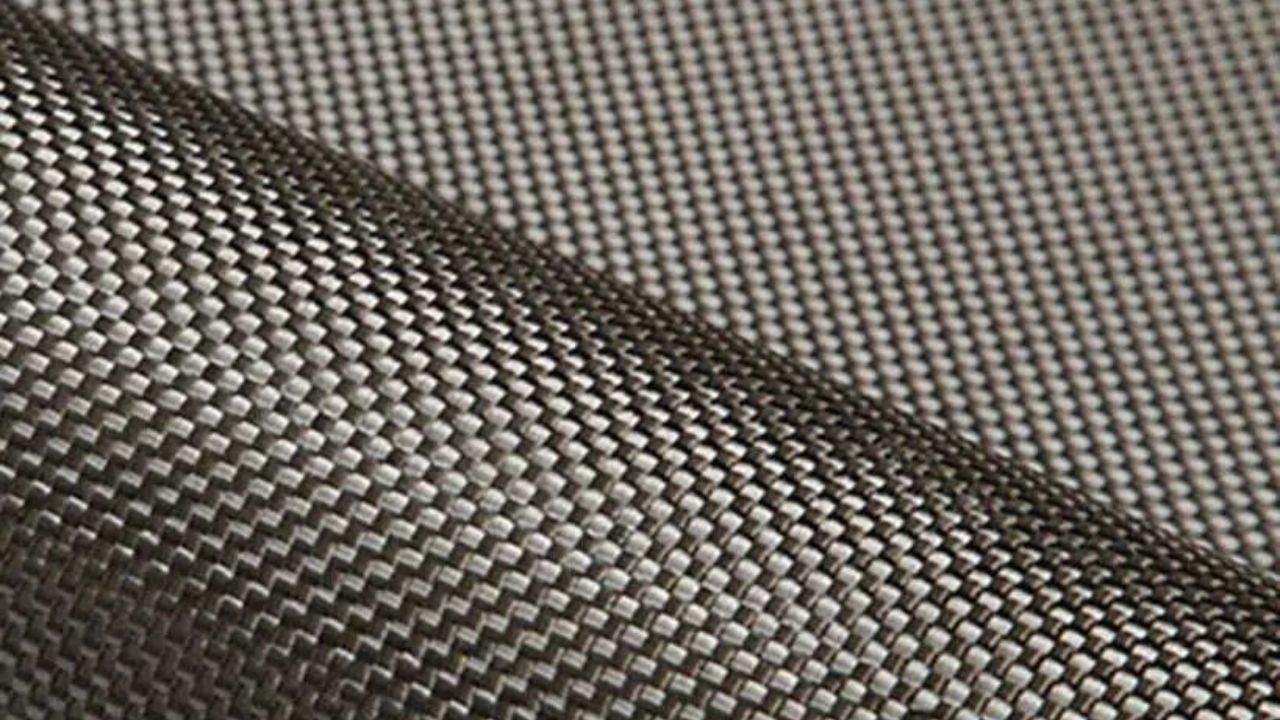
Currently, industrial-grade carbon fibre finds extensive application in wind turbine blades, automotive components, sports equipment (such as racquets and bicycles), structural reinforcement in construction, medical devices, and 3C electronic casings. It serves not only as a key material for achieving lightweight transport equipment and enhancing new energy efficiency, but also as the core driving force propelling advanced materials towards mass production and accessibility. It constitutes the absolute majority of today’s carbon fibre market.
Exploring the Revolutionary World of Advanced Composites
Industrial-grade carbon fibre fabrics represent one of the most significant breakthroughs in modern manufacturing and engineering materials. This extraordinary composite has revolutionised numerous industries, from aerospace and automotive manufacturing to construction engineering and renewable energy sectors. With its exceptional strength-to-weight ratio and broad applicability, industrial-grade carbon fibre fabric continues to push the boundaries of what is possible in materials science.
As demand grows for lighter, stronger, and more durable materials, manufacturers and engineers increasingly turn to industrial-grade carbon fibre fabric when tackling the most challenging projects. This precision material possesses unprecedented performance characteristics, making it indispensable in high-stakes applications where failure is not an option.
Core Characteristics and Performance
Mechanical Strength and Durability
Industrial-grade carbon fibre fabrics exhibit exceptional tensile strength, often surpassing that of steel while being significantly lighter in weight. The material’s unique molecular structure comprises tightly interwoven carbon atoms, forming an exceptionally robust lattice capable of withstanding extreme forces and environmental conditions. This outstanding durability renders it particularly valuable in applications demanding long-term reliability within harsh environments.
Its fatigue resistance is equally remarkable, exhibiting minimal performance degradation even after repeated stress cycles. This characteristic makes industrial-grade carbon fibre fabric an ideal choice for components subjected to continuous vibration or cyclic loading.
Weight and Density Advantages
One of the most notable characteristics of industrial-grade carbon fibre fabric is its significantly lower density compared to traditional materials. This lightweight property does not compromise its strength, enabling the material to deliver exceptional performance while reducing overall system weight. Within the transportation sector, this translates to enhanced fuel efficiency and improved vehicle performance.
The material’s low mass also simplifies installation and operational procedures, reducing labour costs while minimising workplace safety hazards associated with handling heavy materials.
Manufacturing Processes and Quality Control
Production Technology
The manufacture of industrial-grade carbon fibre fabrics involves complex processes requiring precise control and specialised technical expertise. Production commences with polyacrylonitrile (PAN) precursor fibres, which undergo high-temperature oxidation and carbonisation treatments. This process arranges carbon atoms into a robust crystalline structure, endowing the material with exceptional properties.
Advanced weaving techniques subsequently transform these carbon fibres into fabric forms, offering diverse weave structures tailored to specific application requirements. The choice of weave structure significantly influences the final material properties, enabling manufacturers to customise fabrics according to precise performance specifications.
Quality Assurance Standards
Stringent quality control measures ensure industrial-grade carbon fibre fabrics meet or exceed industry specifications. Each batch undergoes comprehensive testing for tensile strength, modulus, and uniformity to validate compliance with relevant standards for aerospace, automotive manufacturing, and other sectors.
Manufacturers employ advanced inspection techniques such as ultrasonic scanning and microscopic analysis to precisely identify potential defects or anomalies within the fabric structure. This comprehensive quality assurance process guarantees consistent and reliable product performance.
Application Fields and Industrial Uses
Aerospace and Defence
The aerospace industry represents one of the largest consumer sectors for industrial-grade carbon fibre fabrics, with the material extensively utilised in aircraft components, spacecraft structures, and satellite systems. Its exceptional strength-to-weight ratio enables aircraft to reduce weight and fuel consumption while maintaining outstanding structural integrity.
Within defence applications, its impact resistance and durability are leveraged for protective gear, vehicle armour, and specialised military equipment. The ability to absorb and dissipate energy confers unique value to industrial-grade carbon fibre fabrics in ballistic protection systems.
Automotive and Transportation Sector
Modern automotive manufacturers increasingly incorporate industrial-grade carbon fibre fabrics into vehicle design to enhance performance and efficiency. From structural components to body panels, this material enables vehicles to reduce weight while maintaining safety and durability. Such weight reduction directly improves fuel economy and lowers emissions.
High-performance racing cars particularly benefit from the material’s properties, with widespread application in chassis components, aerodynamic elements and safety systems. The material’s ability to maintain structural integrity under extreme conditions makes it an indispensable key element in competitive motorsport.
Cost Considerations and Return on Investment
Initial Investment Analysis
Although industrial-grade carbon fibre fabrics typically require a higher initial investment compared to conventional materials, their long-term benefits often justify the cost. The material’s durability and minimal maintenance requirements contribute to reduced lifecycle costs, making it an economically viable choice across numerous applications.
When evaluating the economic impact of materials, purchasers should consider the full cycle costs encompassing installation, maintenance, and replacement. The extended service life and performance advantages frequently yield significant long-term savings.
Performance Advantages and Value
The exceptional properties of industrial-grade carbon fibre fabrics frequently translate into significant operational benefits: weight reduction leads to lower energy consumption, while enhanced durability minimises maintenance and replacement costs. These advantages generate substantial returns on investment, particularly in high-performance applications.
Furthermore, the material’s resistance to corrosion and environmental degradation eliminates numerous conventional maintenance requirements, further enhancing its long-term value proposition.